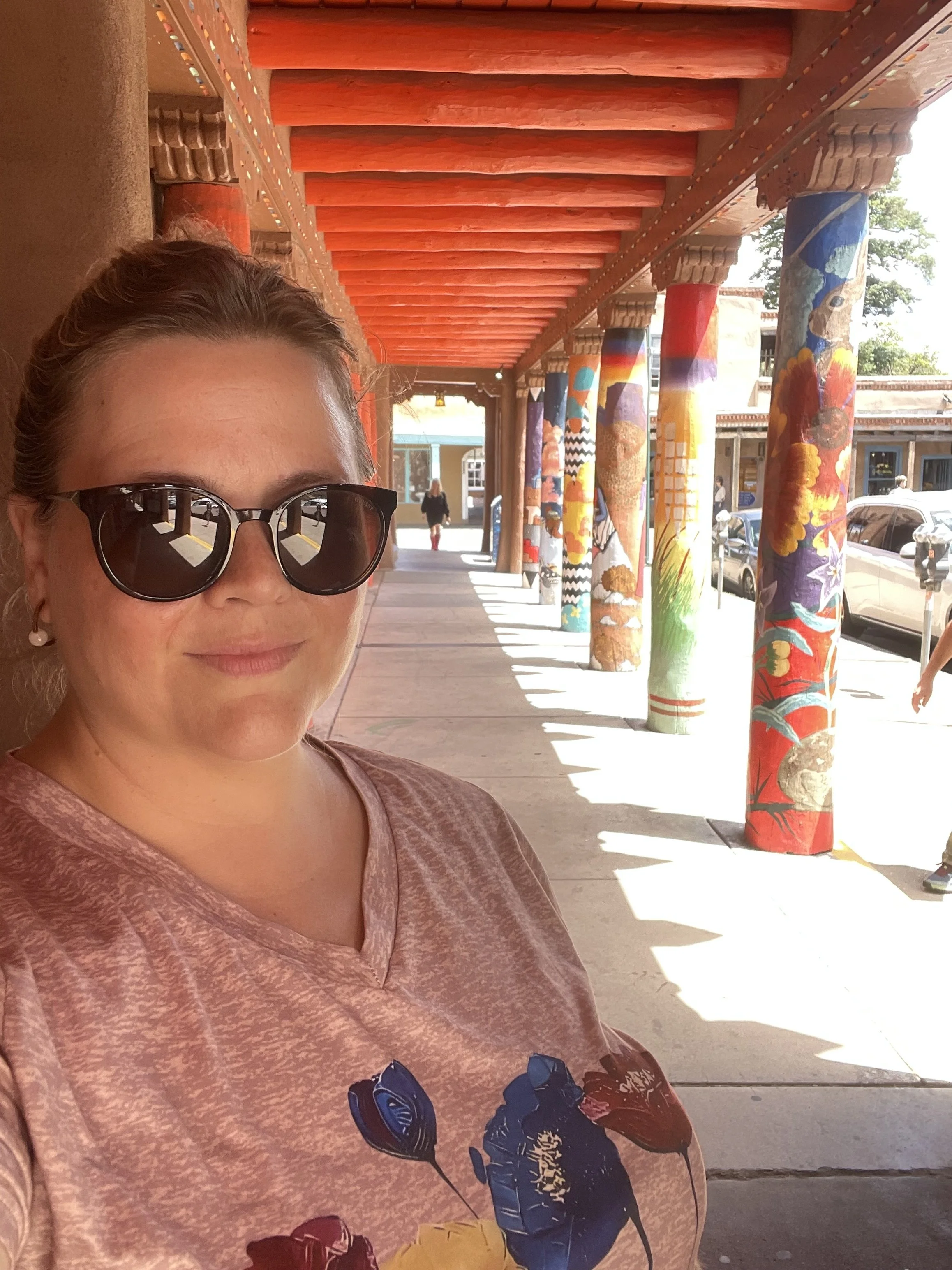
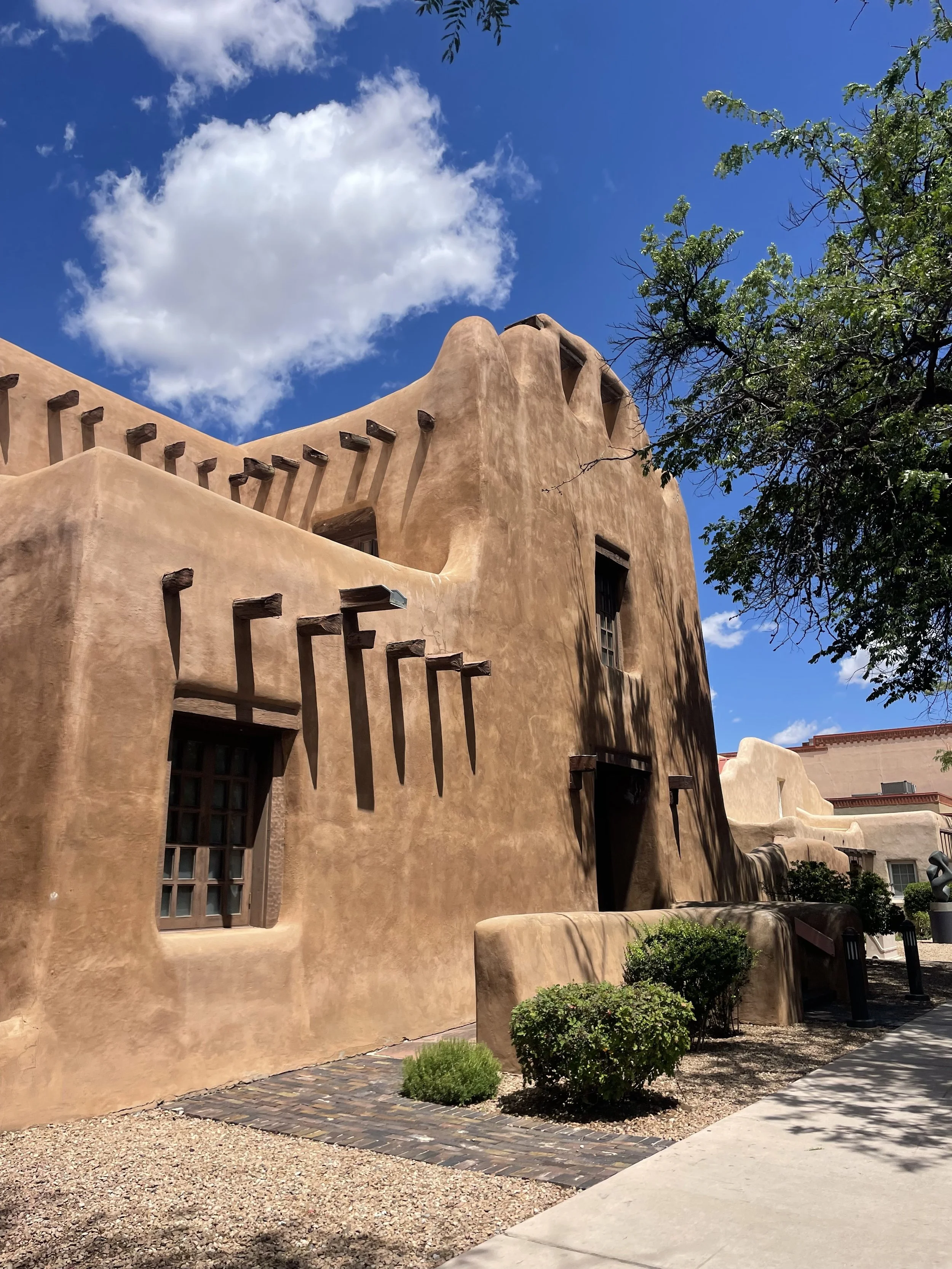
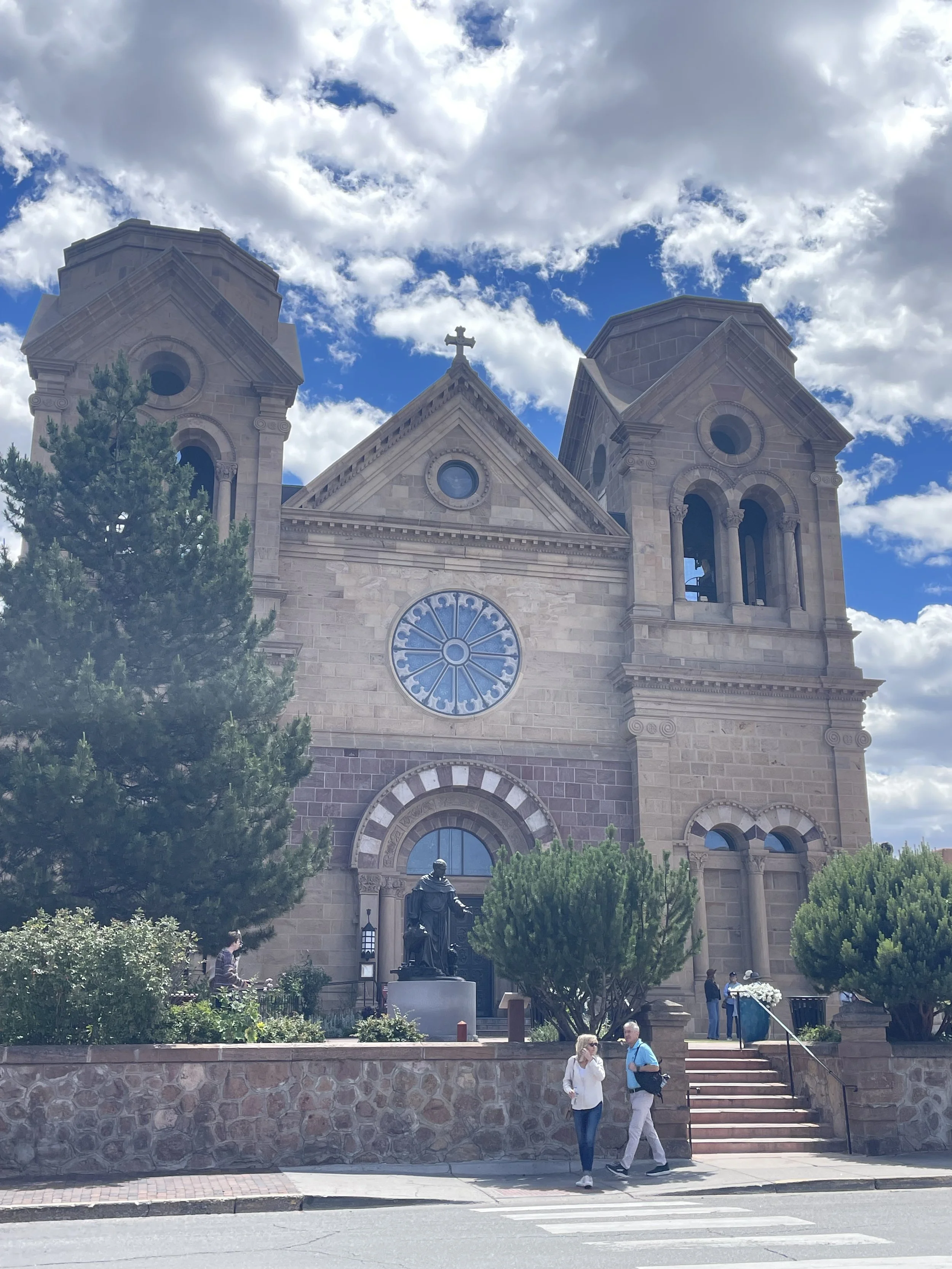
The Long Drive Home
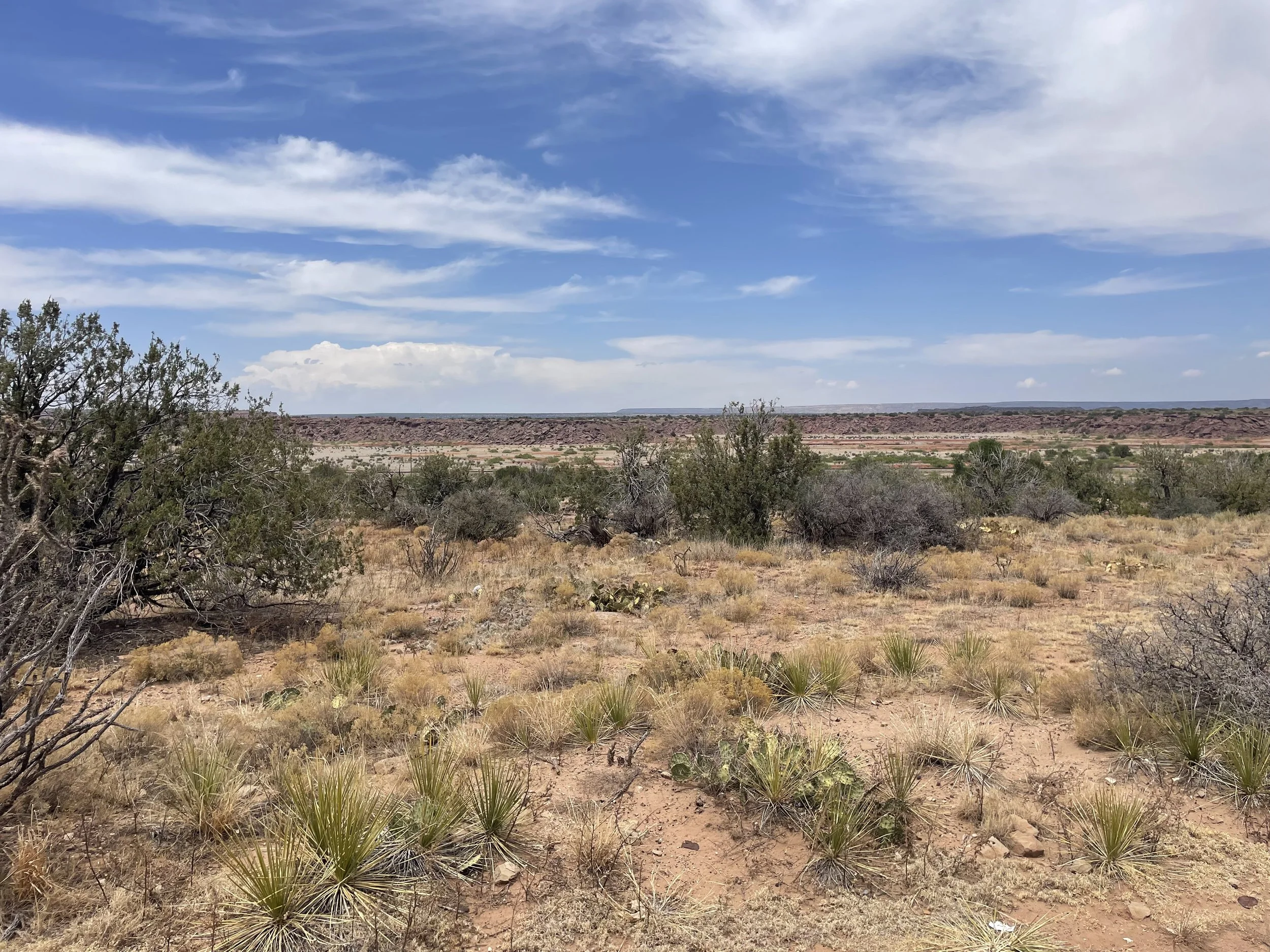
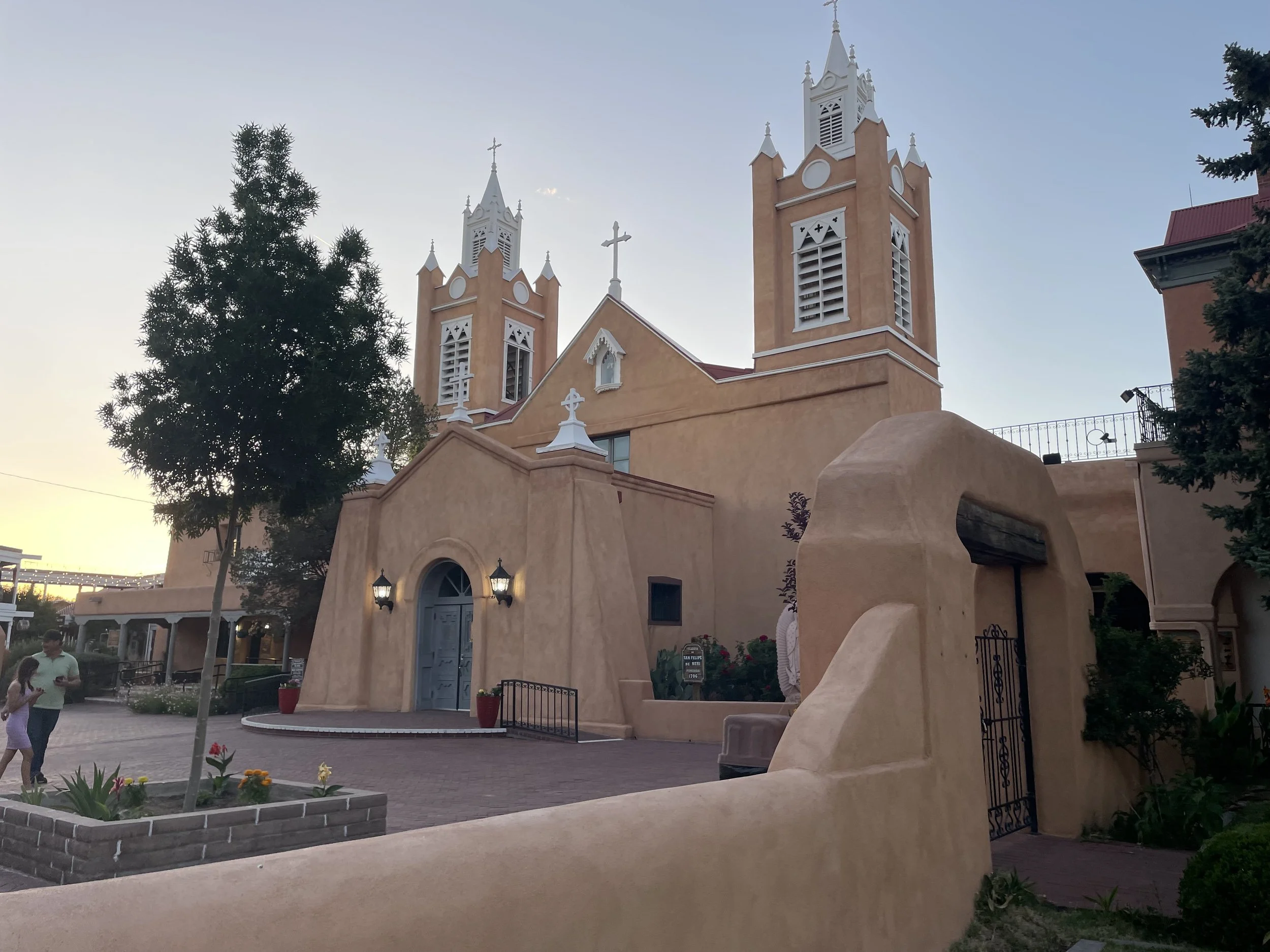
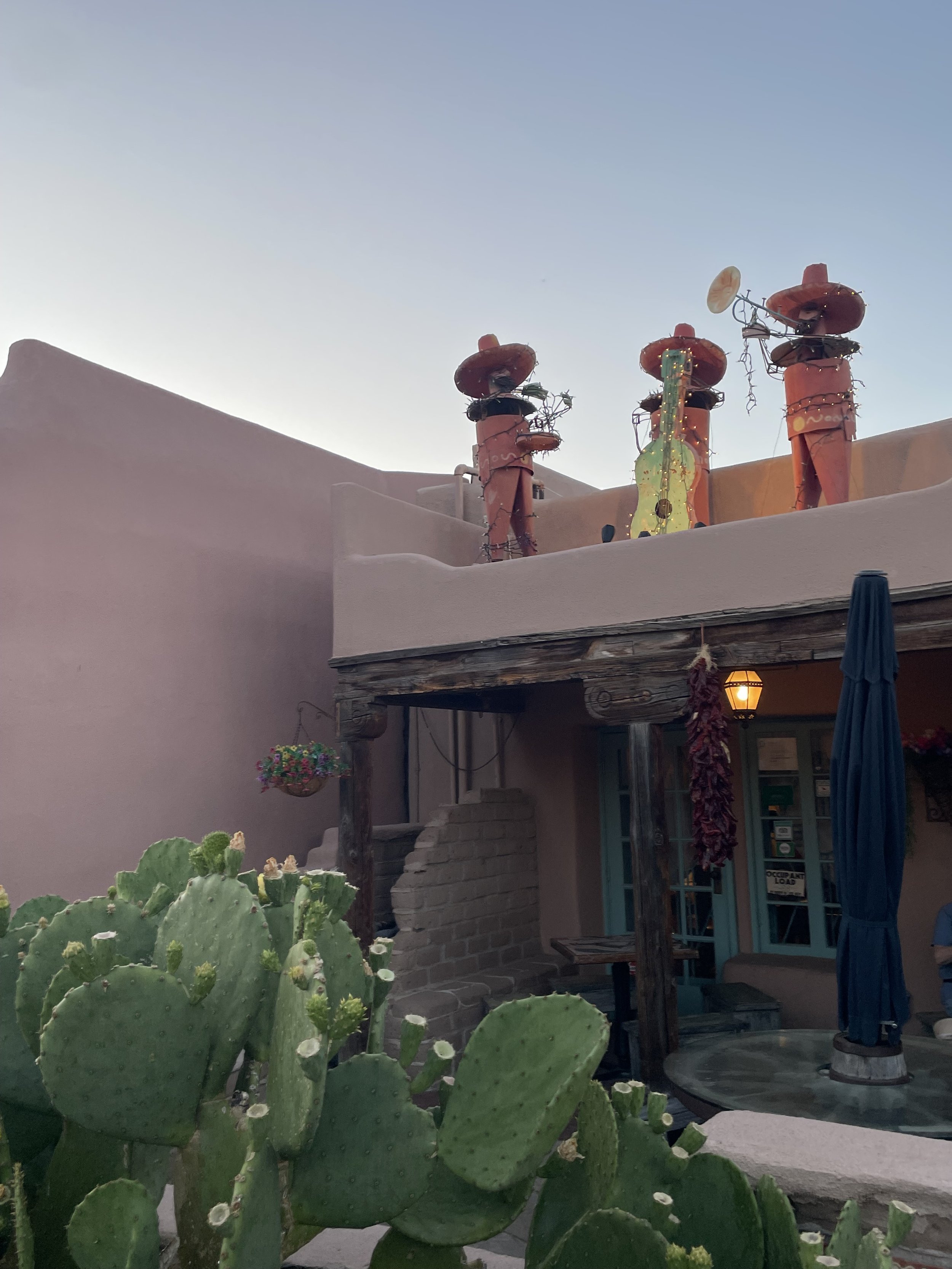
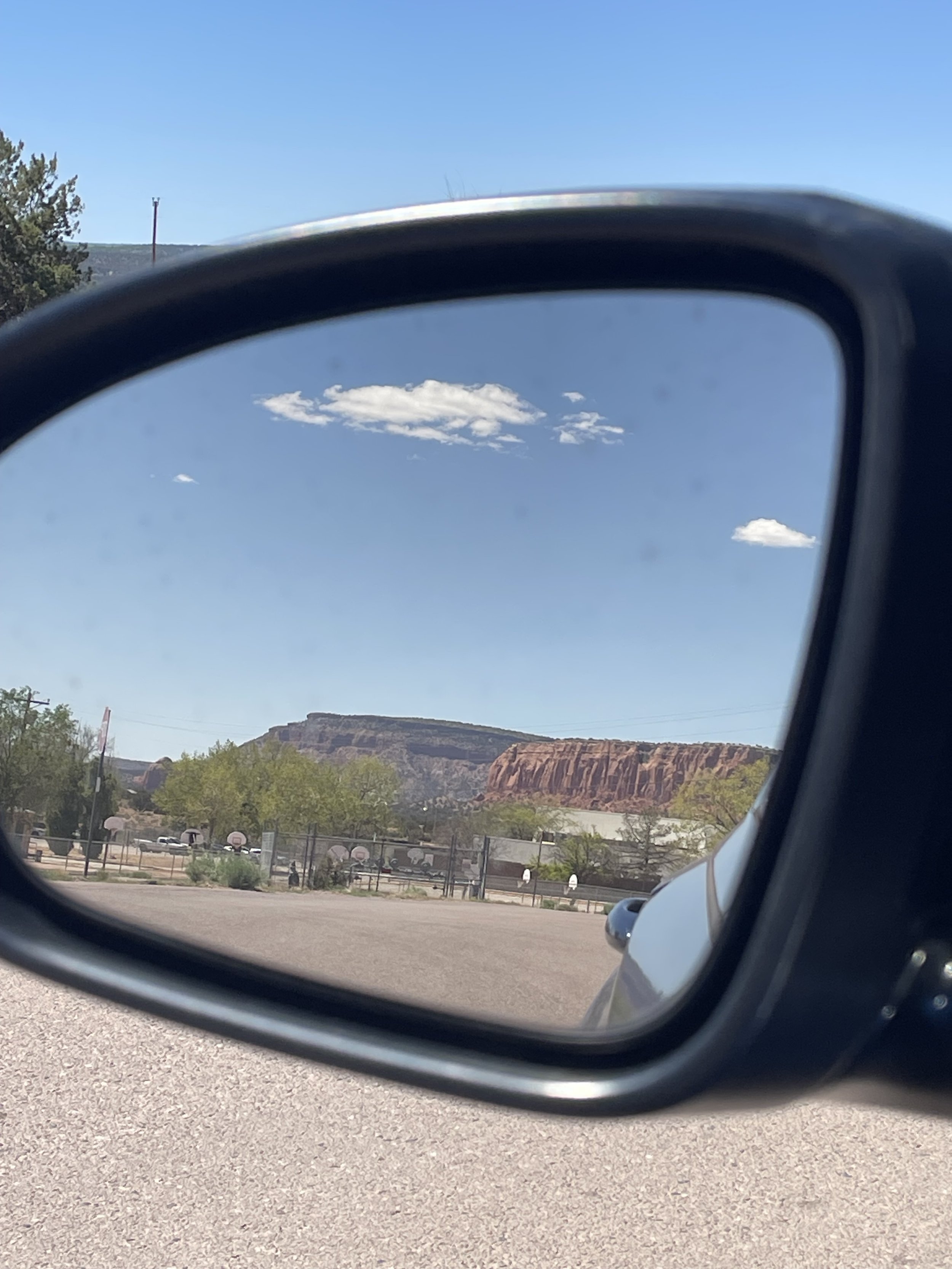
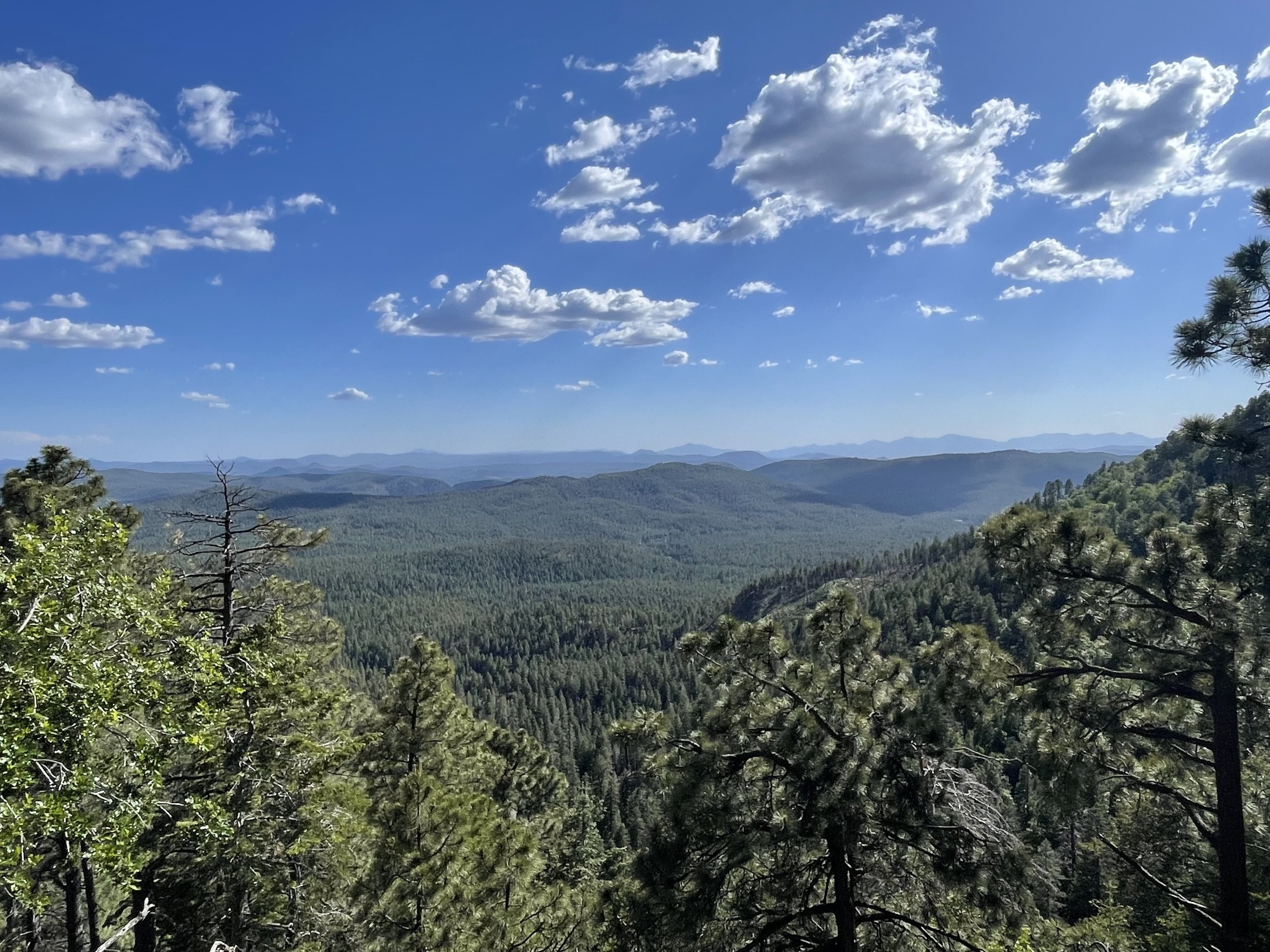
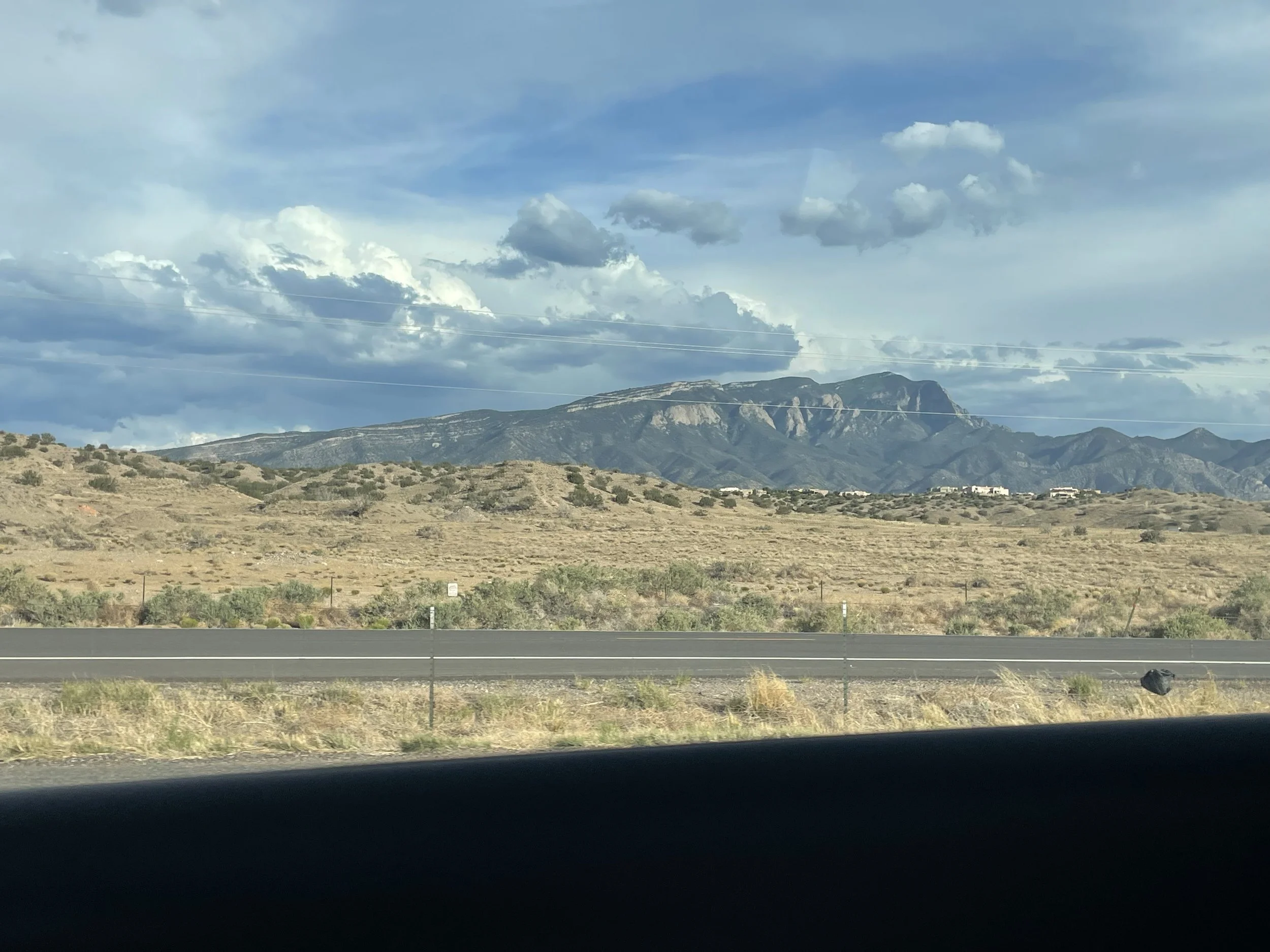
I visited family in Arizona last week, which meant driving across New Mexico and the eastern side of Arizona. It’s funny how perceptible the border between New Mexico and Texas is. Maybe it’s an effect of the Gulf Stream drawing moisture away from the Colorado Plateau. One minute, heavy clouds linger low in the humidity; the next, a dry breeze blows the clouds high into the sky. Grass slowly thins to reveal the pale tones of mesas and canyons. I can see why New Mexico is called the “Land of Enchantment.”
I don’t usually share this kind of personal experience here, but I want to post more frequently. It often seems like research and writing are moving too slowly to warrant talking about publicly, but how else do I expect to develop as a writer?
There’s another reason for sharing photos of this trip. A recurring theme in my research is the sense of belonging to the land that many Dongbei writers express. I know it’s not unique to China, Korea, or the Manchukuo period. It points to the core conflict of the Imperial Age and subsequent globalization, doesn’t it? One of the most well-known native-place Chinese writers, Shen Congwen, said of his native Hunan: “This soil raised me for 20 years. My everything belongs to this place,” (Recollections of West Hunan). Let’s just say that I could understand the sentiment but it didn’t resonate.
As a young twenty-something in China interacting with other international students, I began to adopt some of the same language I heard or came across in my reading to refer to home. My hometown became my 老家 laojia, a village or 村庄 cunzhuang of fewer than 200 residents. Like many of my friends, my family frequently traveled to my mother’s village to visit my grandparents, and I never passed up an opportunity to share the Southwest’s 地方特色 difang tese: green chile. Still, the depth of feeling eluded me.
During my PhD, I started to think my lack of sentimentality towards my hometown might be due to my heritage. My ancestors were white settlers. Not only that—they were poor Mormon settlers who were sent by the Church’s presidency to colonize the Southwest. Why should I feel sentimental about that? I thought.
Maybe it’s because I’ve been in Oklahoma for over a year now—home yet not quite—but the feeling was different with last week’s trip. I was feeling pulled to visit; I can’t describe it any other way. It’s not that I feel any sort of ownership of, or a need to belong, to the place. Maybe I was feeling nostalgic since it was my high school class’s twentieth anniversary. (There should have been a reunion, but there wasn’t.) Maybe it was simply the deep knowing that my dad and siblings needed to see me. And I needed to see them.
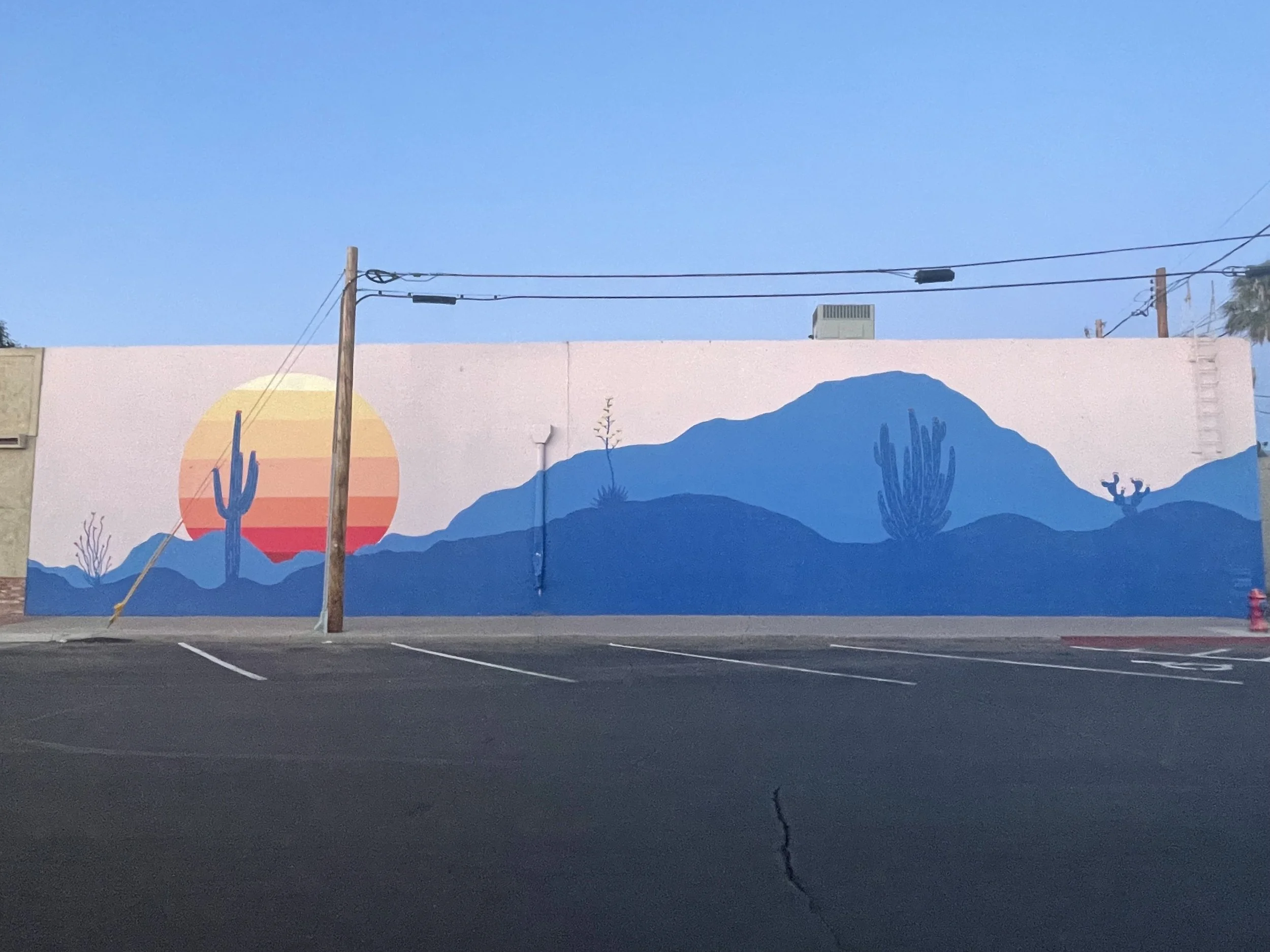
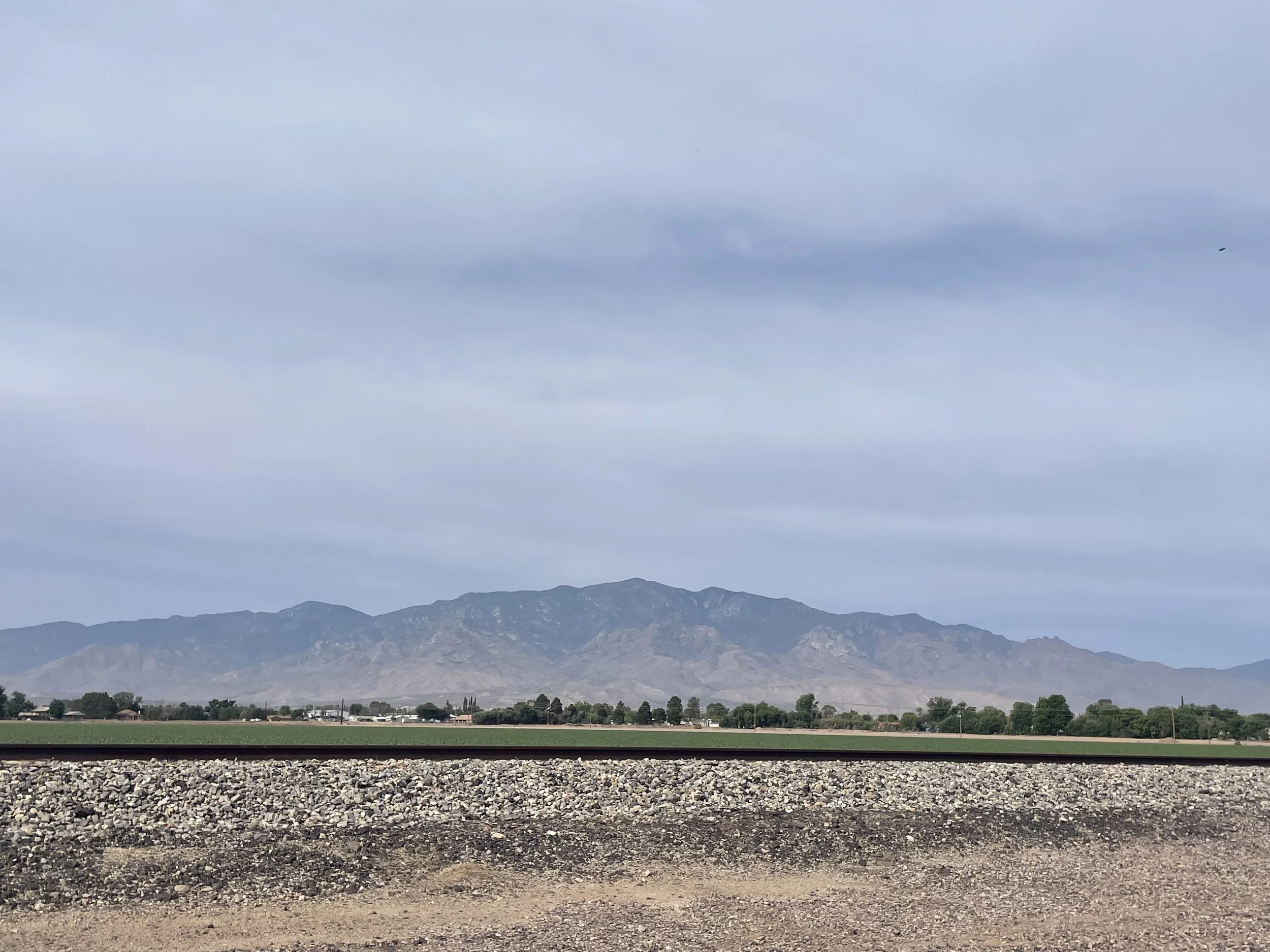
Now that I’m older, I appreciate my hometown in ways that I couldn’t as a bored, depressed kid. I am grateful for certain aspects of life there, even though I can’t imagine settling there as an adult. I think there will always be a kind of discomfort with how my family came to be there, but I suppose most of us have to reconcile our personal lives with History in one way or another. What I most appreciate is that the desert has become more beautiful to me over time. Ten-year-old me would never have believed it.
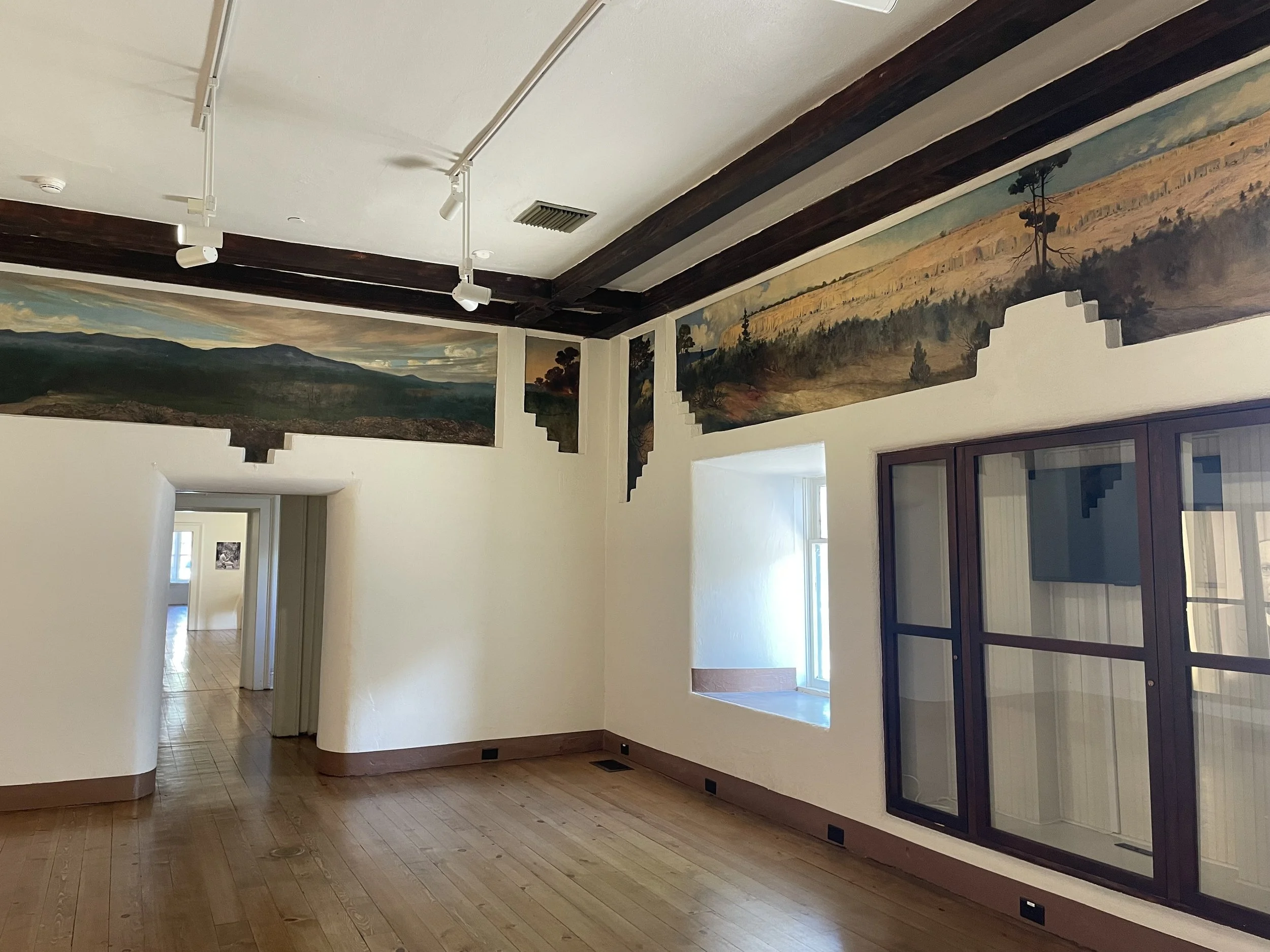
Driving to Arizona by myself also allowed me to see and learn new things. I visited the New Mexico History Museum in Santa Fe, for example. There was so much I didn’t know about the Spanish Empire and the Mexican-American War (1846-1848)! These days, I approach museum visits like a mini research project. I start with a question, something I’m curious about. In this case, I wanted to know what happened to the peoples of New Mexico and the surrounding region after the war. Of course, what I ended up learning was more about the context leading up to the war. Mainly, that Mexico’s independence from Spain occurred in the aftermath of the American Revolution, and both nations had their reasons for wanting to take over the area (roughly) from Santa Fe to El Paso. The war in the mid-1800s—and this does NOT get taught well enough in schools—came down to the issue of slavery. Because of course it did! Texans wanted to keep it; the new Mexican republic prohibited it. Ugh, this country!!
Obviously, there is more to the story, and I still have a lot of questions. What was really going on in Arizona, for example? Unfortunately, my museum visit had to be extremely short due to the long drive I had ahead of me. But, as I always say, gotta save something for next time.